
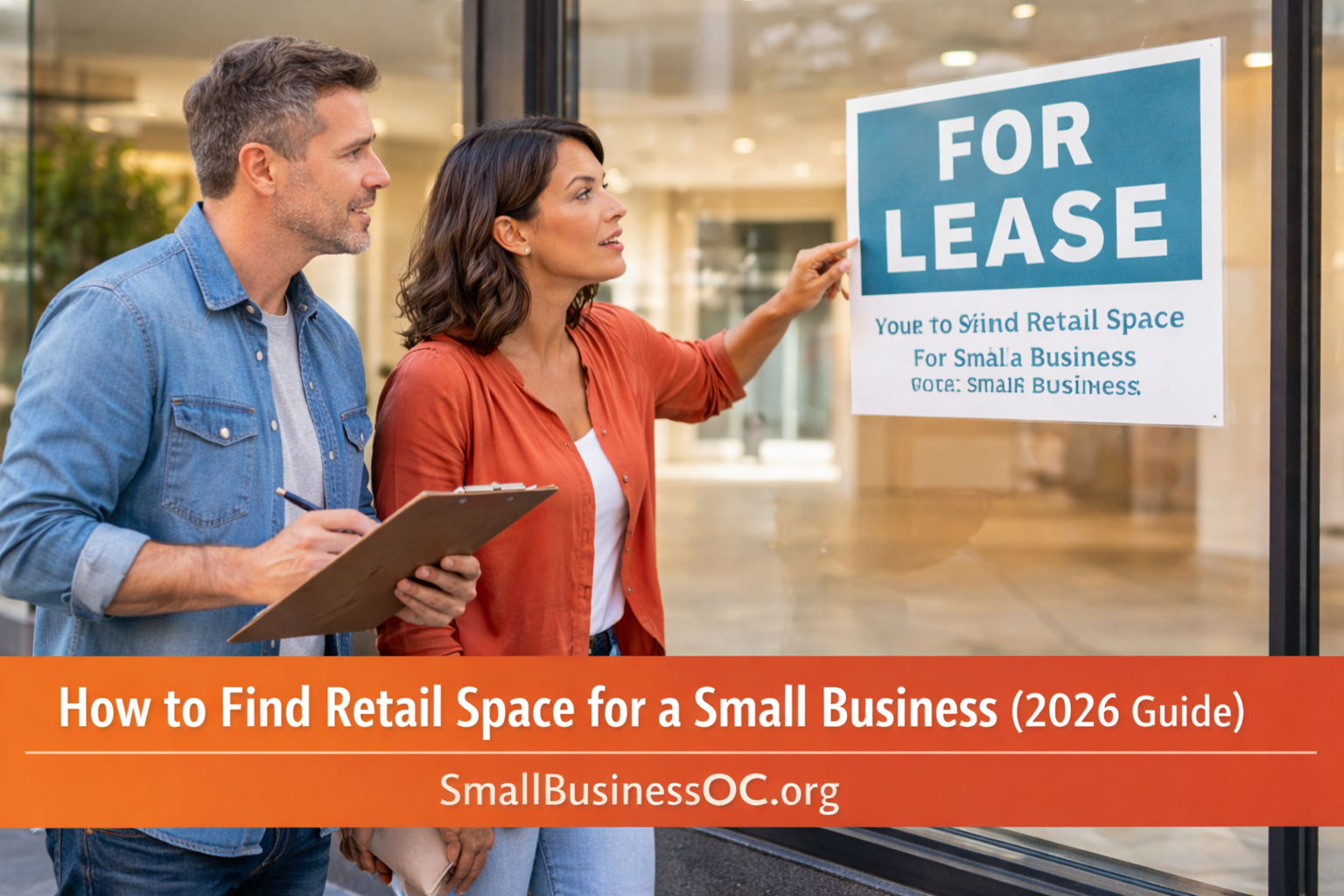
How to Find Retail Space for a Small Business in Orange County in 2026
Finding the right retail space is one of the most important decisions a small business owner will make. In Orange County, where real estate costs vary dramatically by city and foot traffic patterns change block by block, choosing the wrong location can limit growth before it starts.
This guide explains how to find retail space for a small business in Orange County, how to evaluate locations realistically, and how to avoid common leasing mistakes that cost businesses time and money.
Explore: Best Real Estate Agencies in León in 2026
Why Location Matters So Much in Orange County
Orange County is not a single market. It is a collection of very different local economies. A retail concept that performs well in Irvine may struggle in Anaheim, while a beach-oriented business may thrive in Laguna Beach but fail inland.
Customer demographics, traffic patterns, parking availability, and surrounding businesses all influence performance. Retail success depends less on square footage and more on alignment between location and customer behavior.
In Orange County, location is strategy. Check LoopNet or other website.
Define the Type of Retail Space You Actually Need
Before searching listings, you need clarity on how the space will be used. Many small businesses overestimate their space needs or choose locations that do not support their business model.
Some businesses depend on walk-in foot traffic. Others rely on destination visits, appointments, or pickup orders. A service-based retail business has very different needs than a product-focused storefront.
Understanding how customers find you and how often they visit helps narrow the search and avoid unnecessary costs.
Read More: Do Small Businesses Need an Employee Handbook in California?
Understand Orange County Retail Lease Costs
Retail lease prices in Orange County vary widely by city, street, and center type. High-traffic areas command premium rents, but higher rent does not always mean higher profitability.
In 2026, many small businesses succeed by choosing secondary locations with strong accessibility, visibility, and parking rather than premium shopping districts. Lease terms, common area maintenance fees, and build-out costs all affect total occupancy cost.
Evaluating rent in isolation is a mistake. The full cost of occupying the space matters more than the advertised rate.
Must Read: How to Protect Your Small Business From Lawsuits in California
Work With Professionals Who Know the Local Market
Retail leasing is not the same as residential real estate. Commercial leases are complex, negotiable, and heavily weighted in favor of landlords.
Working with a commercial real estate broker who understands Orange County retail markets can help identify opportunities, negotiate favorable terms, and avoid hidden risks. A good broker understands zoning rules, landlord expectations, and realistic pricing by area.
Legal review of lease agreements is also critical. Lease language affects renewal rights, rent increases, exit options, and long-term flexibility.
Quick Read: How to Restructure a Small Business Without Breaking It In 2026
Evaluate Foot Traffic, Visibility, and Access
A retail space should support how customers actually arrive. Foot traffic matters for some businesses, but parking, visibility from the street, and ease of access often matter more in Orange County.
Visiting the location at different times of day reveals patterns that listings do not show. Traffic flow, neighboring businesses, noise levels, and customer behavior all influence performance.
A location that looks perfect on paper may perform poorly in practice.
Learn about How to Restructure a Small Business Without Breaking It In 2026
Confirm Zoning and Use Restrictions
Not every retail space allows every type of business. Zoning rules, city ordinances, and landlord restrictions can limit operations.
Before signing a lease, confirm that your business use is permitted and that any required permits can be obtained. Some Orange County cities have additional regulations related to signage, operating hours, or specific business categories.
Failure to verify zoning compatibility can delay opening or prevent it entirely.

Read This: How Much Is My Small Business Worth?
Negotiate Lease Terms Strategically
Small business owners often focus on monthly rent and overlook lease structure. Lease length, renewal options, rent escalation clauses, and tenant improvement allowances all affect long-term viability.
In Orange County’s competitive market, negotiation is expected. Asking for concessions, phased rent increases, or build-out support is common, especially for new businesses.
A lease should support growth, not trap the business in an inflexible commitment.
Consider Short-Term and Flexible Options
In 2026, many small businesses start with flexible retail arrangements. Pop-up locations, shared retail spaces, and short-term leases allow owners to test demand before committing long term.
These options reduce risk and provide real-world data about customer behavior and sales performance. For new concepts, flexibility often outweighs prestige.
Starting lean preserves capital and options.
Plan for the Full Cost of Opening
Retail space involves more than rent. Build-out costs, permits, signage, utilities, insurance, and compliance requirements add up quickly.
A realistic opening budget includes time and money buffers. Many delays come from underestimated construction timelines or permit approvals.
Preparation prevents cash flow stress during the critical launch phase.
Final Thoughts
Finding retail space for a small business in Orange County requires local knowledge, patience, and strategic thinking. The right space supports visibility, customer access, and profitability. The wrong space creates friction and financial strain.
In 2026, successful Orange County retailers choose locations based on alignment, not appearance. They negotiate carefully, plan thoroughly, and remain flexible.
SmallBusinessOC.org helps local entrepreneurs navigate retail decisions with education, market insight, and practical guidance designed for Orange County realities.